Orange Sable Pomeranian: The Korean-Lineage Coat Guide (2026)
A breeder's 2026 guide to the orange sable Pomeranian — what the color actually is, why Korean bloodlines produce that cool-toned "ash" look, how the coat changes with age, prices, and how to spot the real thing.
Reviewed by the Platinum Pups of Miami breeding team — 10+ years specializing exclusively in Teacup & Micro Teacup Pomeranians.
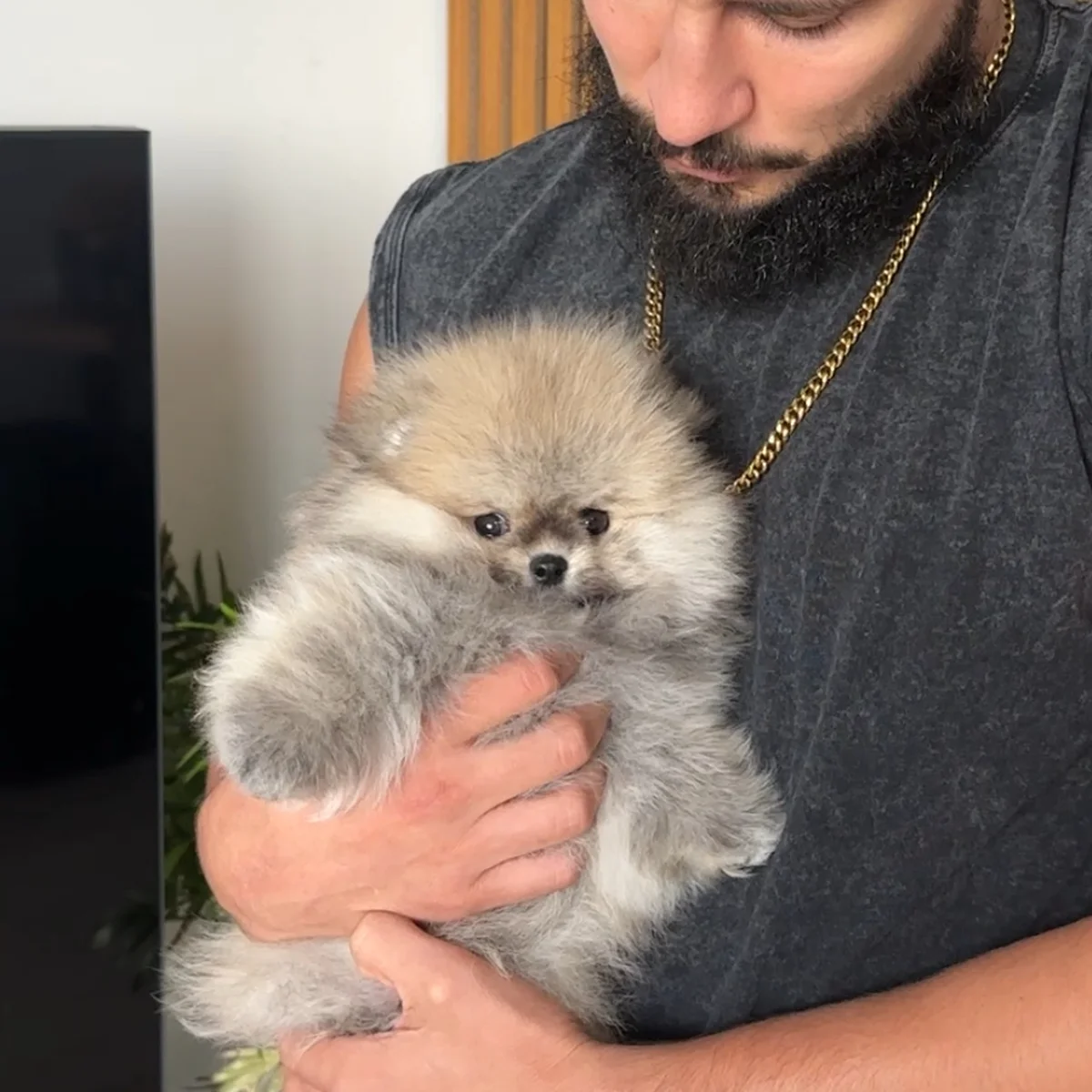
Our Pomeranian Puppies Available Today
Real photos of our current litter — health guaranteed, KKF-registered (Korea Kennel Federation), nationwide delivery.
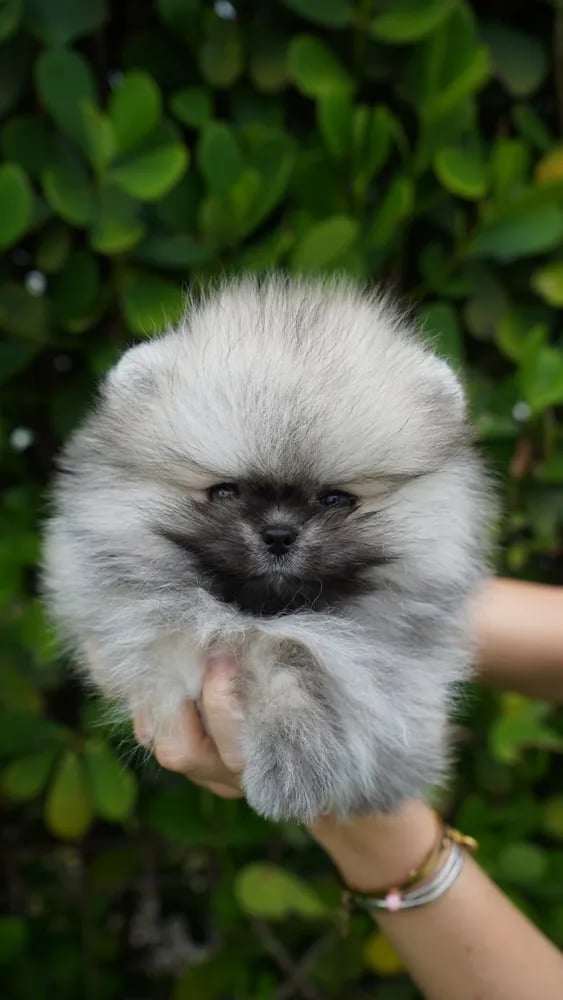
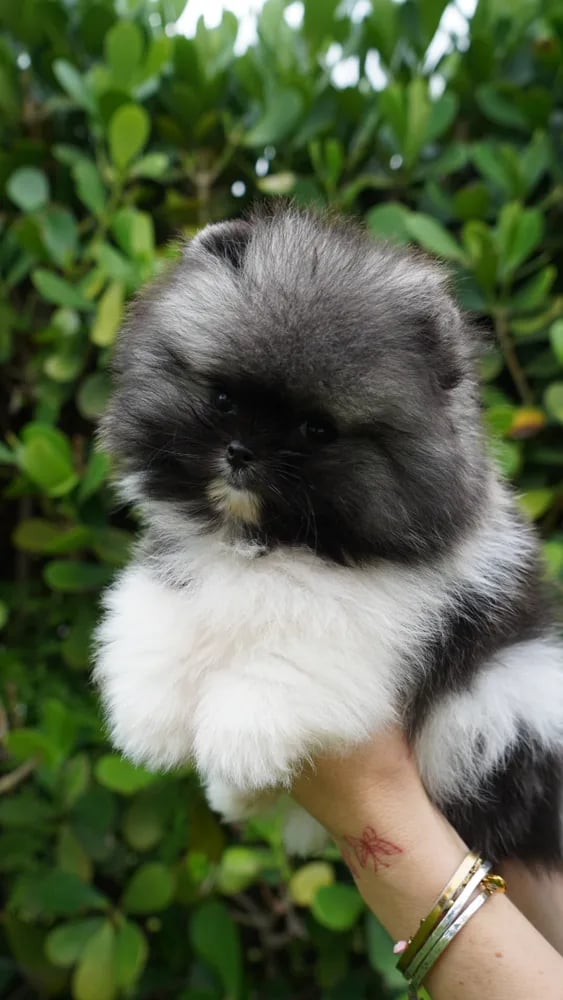
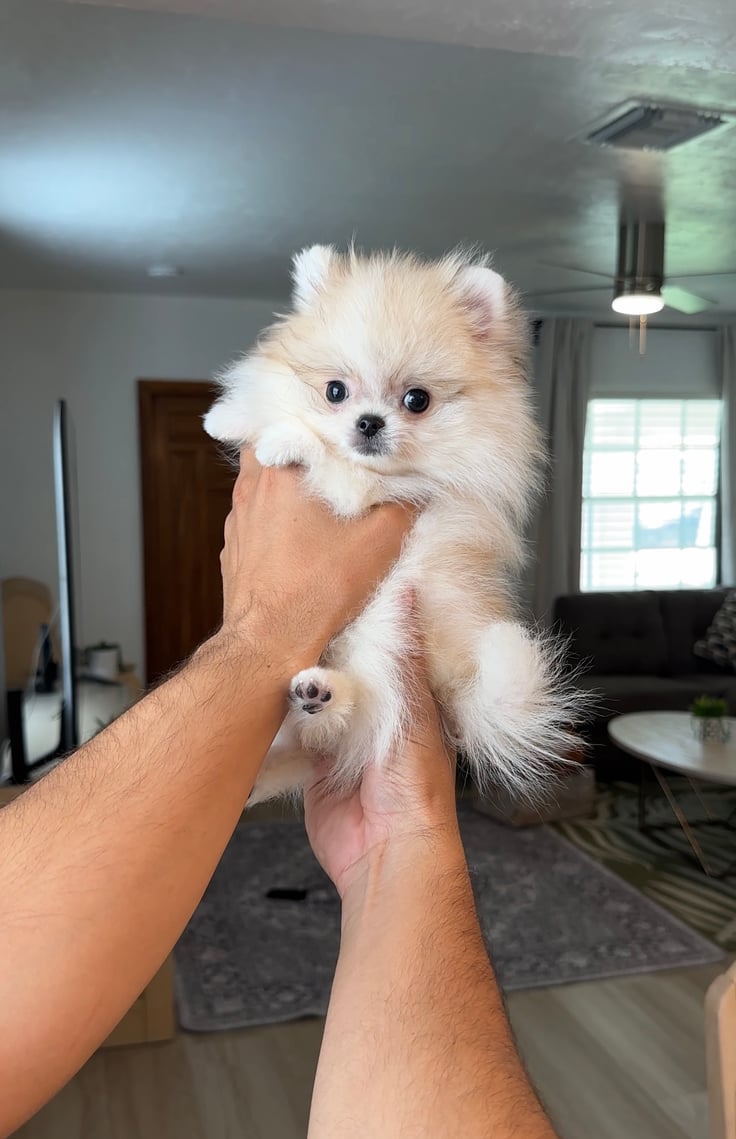
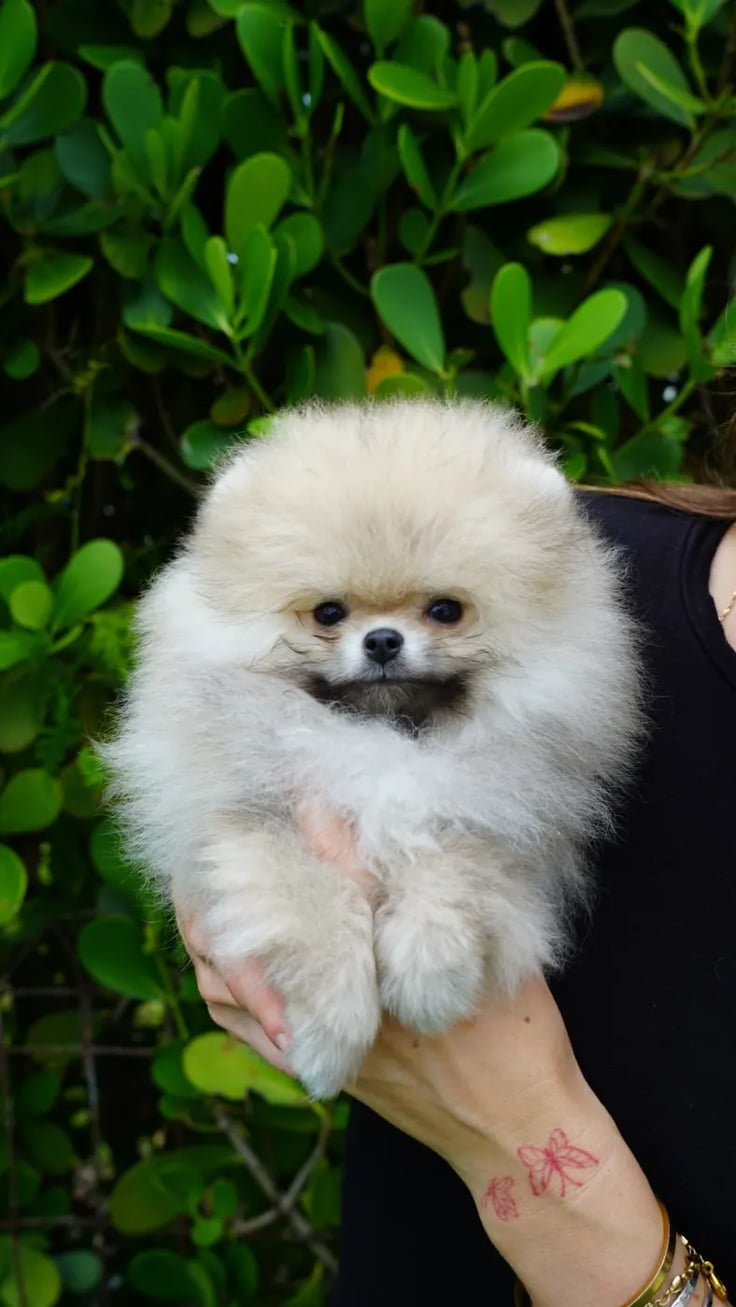


Short answer: the orange sable Pomeranian is one of the most stunning — and most misunderstood — colors in the breed. The sable pattern means each hair is banded with black tips over an orange base, giving the coat depth, shimmer, and that signature "wild fox" look. Korean bloodlines tend to produce a rarer, cool-toned ash-orange sable that almost reads as grayish in the light.
This guide is written by the Platinum Pups of Miami breeding team — 10+ years raising teacup and micro teacup Pomeranians, including Korean-bloodline sables. Below: what orange sable actually is, why Korean Poms look different from American ones, how the color changes from puppy to adult, what to pay in 2026, and how to spot a true sable vs a plain orange.
See Our Available Orange Sable & Korean-Lineage Poms
If you want one of these in your living room, start here: browse our currently available Pomeranian puppies →
What Is an Orange Sable Pomeranian?
An orange sable Pomeranian has a base coat of orange (anywhere from pale apricot to deep red) with individual hairs tipped in black. The black tipping is heaviest along the back, ears, and tail, and lightest on the face and chest. The result is a coat that shifts color in different light — almost like the dog is shimmering.
This is different from a solid orange Pom (no black tipping at all) and different from a wolf sable (gray base instead of orange). The AKC recognizes orange sable as a distinct color in the breed standard.
Sable Pomeranian Colors at a Glance
| Color | What It Looks Like | Rarity |
|---|---|---|
| Orange Sable | Orange base, black-tipped hairs across back & ears | Common, but high-quality is rarer |
| Cream Sable | Cream/pale base with subtle dark tipping | Uncommon |
| Red Sable | Deep mahogany red with black tipping | Uncommon |
| Wolf Sable | Gray/silver base with black tipping — wolf-like | Rare |
| Korean Ash Sable (cool-toned orange sable) | Cool grayish-orange that almost reads merle in photos | Very rare outside Korean bloodlines |
| Black Sable | Heavy black tipping nearly covering the orange base | Rare |
Why Korean Pomeranians Look Different
If you've scrolled Instagram and seen a Pomeranian that looks almost too perfect — tiny, fluffy, with that cool-toned coat and a teddy-bear face — there's a good chance it's from a Korean bloodline.
Korean Pomeranian breeding programs have spent decades selecting for three specific traits American lines historically didn't prioritize: smaller adult size, thicker double coats, and unusual color tones (ash, cool orange, deep black). It's not a different breed — it's the same Pomeranian, refined toward a very specific aesthetic.
This is why our orange sables, especially the Korean-lineage ones, often have that grayish or cool cast people mistake for merle. It's actually just an extreme expression of the sable pattern over a refined coat — completely healthy, completely natural, and unlike anything you'll find in a typical American line.
How an Orange Sable Coat Changes With Age
This is the part that catches new owners off guard. Sable Pomeranians change color dramatically as they grow up.
- Birth – 8 weeks: Coat often looks much darker than it will be. Some sable pups are nearly black at birth.
- 2 – 6 months ("puppy uglies"): The puppy coat sheds out unevenly. The pup may look patchy, lighter, or scruffy. This is normal.
- 6 – 12 months: Adult coat starts coming in. The orange base shows fully and black tipping settles into its final pattern.
- 12 – 18 months: Full adult coat. This is what the dog will look like for life — sometimes lighter, sometimes deeper, depending on lineage.
This is why a reputable breeder shows you photos of both parents in adult coat — not just baby pictures. The parents tell you what your puppy will actually grow into.
Orange Sable vs Solid Orange — How to Tell
People mix these up constantly. Here's the quick test:
- Part the fur on the back and look at individual hairs. Sable hairs have a clear black tip. Solid orange hairs are one color from root to tip.
- Check the ears and tail. Sable Poms almost always have noticeable darkening on the ear tips and tail. A solid orange has uniform color throughout.
- Look at the parents. Sable to sable usually produces sable. Two solid oranges almost never produce sable.
Orange Sable Pomeranian Price in 2026
The color itself doesn't massively change price — what moves the number is size, lineage, and quality of the sable pattern. A strong, even orange sable with Korean bloodlines and micro teacup size sits at the top of the market.
| Type | 2026 Price Range | Notes |
|---|---|---|
| Standard Orange Sable (8–10 lbs adult) | $2,500 – $4,500 | Pet quality, full-size adult. |
| Teacup Orange Sable (4–6 lbs adult) | $4,000 – $6,000 | Smaller size, higher demand. |
| Micro Teacup Orange Sable (under 4 lbs adult) | $5,500 – $8,500 | Top of the market — especially Korean lineage. |
| Korean Ash / Cool-Toned Orange Sable | $6,000 – $9,000+ | Rarest expression of the color. Often confused for merle. |
Platinum Pups orange sables typically run $4,500–$7,500 depending on size and lineage. Every pup comes with a written health guarantee, Florida-issued health certificate, microchip, vaccinations up to date, and nationwide flight-nanny delivery. Full price breakdown across colors and sizes: 2026 Pomeranian price guide.
Are Orange Sable Pomeranians Rare?
Standard orange sable: common. It's one of the most-bred colors in the breed because the dominant orange gene is everywhere. High-quality, evenly-patterned orange sable with strong Korean lineage: rare. The cool-toned "ash sable" expression is one of the rarest visual versions of the color and you'll almost never see it outside dedicated breeding programs.
Orange Sable Personality & Care
Coat color has zero effect on personality — that's an old myth. Orange sables are no more energetic, vocal, or stubborn than any other Pom. What matters is breeding line and how the puppy is raised in its first 8–10 weeks. Our pups are raised in our home with constant handling.
Care is the standard Pomeranian routine: weekly brushing, two seasonal coat blows per year, small-breed dental care. The sable pattern actually hides dust and minor coat fading better than solid colors, so visible upkeep is slightly easier than on a solid black or pure white. For the full grooming breakdown: honest shedding guide.
Orange Sable Pomeranian FAQ
What is an orange sable Pomeranian?
A Pomeranian with an orange base coat where individual hairs are tipped in black. The result is a shimmery, depth-rich coat that shifts in different light — the "wild fox" look the breed is famous for.
Are orange sable Pomeranians rare?
Standard orange sable is common. High-quality even sable patterns, and the cool-toned "Korean ash sable" expression, are rare and command premium prices.
Will my orange sable puppy change color?
Yes — significantly. Most sable Poms start dark, go through a patchy "puppy uglies" stage between 2–6 months, then settle into their adult coat between 6–12 months. Always check both parents' adult photos to see what the pup will look like grown.
What's the difference between orange and orange sable?
Orange is a single solid color from root to tip. Orange sable has black-tipped hairs over an orange base, with darker ears and tail. Part the fur and look at individual hairs — that's the fastest way to tell.
What makes Korean Pomeranians different?
Korean breeding programs select for smaller adult size, thicker double coats, and unusual color tones (especially cool-toned sables and deep blacks). They're the same breed, refined toward a very specific aesthetic.
Do you have orange sable Pomeranian puppies available?
Yes — we regularly have orange sable and Korean-lineage sables in our lineup. See currently available puppies →
Authoritative Sources
- American Kennel Club — Pomeranian breed standard
- AKC — Pomeranian colors and patterns
- American Veterinary Medical Association
Ready to Bring Home an Orange Sable?
If you want a true orange sable — especially the cool-toned Korean expression — from a breeder who can show you both parents, the lineage, and exactly what the puppy will look like as an adult, we'd love to talk. Browse our available Pomeranian puppies → or text us at (786) 337-5699 to set up a FaceTime.
Our Pomeranian Puppies Available Today
Real photos of our current litter — health guaranteed, KKF-registered (Korea Kennel Federation), nationwide delivery.